Tax cuts are the hot new idea for Democrats
By Sahil Kapur
WASHINGTON — Tax cuts are becoming the hottest new idea in Democratic politics from coast to coast, as candidates across the party spectrum seek to capitalize on cost-of-living struggles and win back working-class voters.
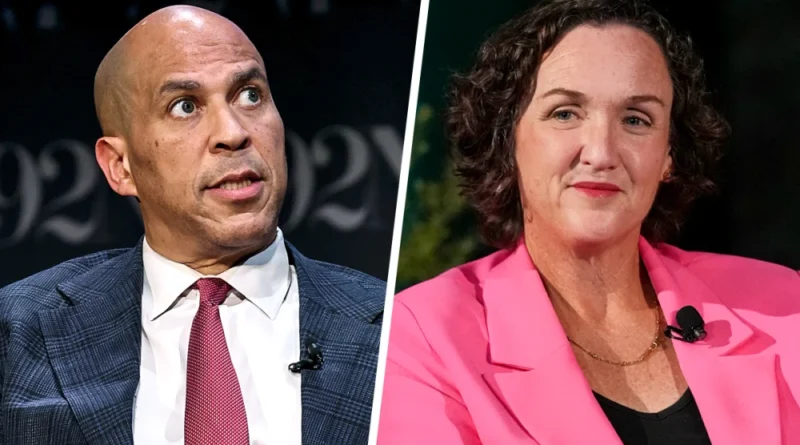
Sens. Cory Booker, D-N.J., and Chris Van Hollen, D-Md., recently rolled out sweeping tax cut plans. Booker seeks to create a federal tax exemption for up to $75,000 in income for married couples. Van Hollen wants to set that figure at $92,000. Both have been floated as potential 2028 presidential candidates.
In California, progressive candidate for governor Katie Porter, a former Democratic congresswoman, is proposing to wipe out state income taxes for California families making up to $100,000 per year.
In Georgia, gubernatorial candidate Keisha Lance Bottoms, a former mayor of Atlanta and Biden administration official, is campaigning on “eliminating state income taxes for teachers.”
The trend has sparked a “wonk revolt” uniting policy experts from the center to the left against the new trend, said Zach Moller, senior director of economic policy at the moderate Democratic group Third Way.
He said the divide is part of a “Democratic Cold War” between those who want to give tax breaks to certain groups and policy-minded figures who favor a broad revenue base.
The critics warn that Democrats cannot plausibly fund a European-style safety net if they continue to push for slashing revenues or shrinking the tax base.
“There’s only so much revenue you can get out of corporations and billionaires and the 1%,” Moller said. “It’s highly unlikely Democrats are going to get enough revenue from that group to do everything they want to do, whether it’s child care, paid leave, furthering the child tax credit, Medicare expansion.”
ADVERTISEMENT

Sens. Cory Booker, D-N.J., and Chris Van Hollen, D-Md., recently rolled out sweeping tax cut plans. Booker seeks to create a federal tax exemption for up to $75,000 in income for married couples. Van Hollen wants to set that figure at $92,000. Both have been floated as potential 2028 presidential candidates.
In California, progressive candidate for governor Katie Porter, a former Democratic congresswoman, is proposing to wipe out state income taxes for California families making up to $100,000 per year.
In Georgia, gubernatorial candidate Keisha Lance Bottoms, a former mayor of Atlanta and Biden administration official, is campaigning on “eliminating state income taxes for teachers.”
The trend has sparked a “wonk revolt” uniting policy experts from the center to the left against the new trend, said Zach Moller, senior director of economic policy at the moderate Democratic group Third Way.
He said the divide is part of a “Democratic Cold War” between those who want to give tax breaks to certain groups and policy-minded figures who favor a broad revenue base.
The critics warn that Democrats cannot plausibly fund a European-style safety net if they continue to push for slashing revenues or shrinking the tax base.
“There’s only so much revenue you can get out of corporations and billionaires and the 1%,” Moller said. “It’s highly unlikely Democrats are going to get enough revenue from that group to do everything they want to do, whether it’s child care, paid leave, furthering the child tax credit, Medicare expansion.”
Sens. Cory Booker, D-N.J., and Chris Van Hollen, D-Md., recently rolled out sweeping tax cut plans. Booker seeks to create a federal tax exemption for up to $75,000 in income for married couples. Van Hollen wants to set that figure at $92,000. Both have been floated as potential 2028 presidential candidates.
In California, progressive candidate for governor Katie Porter, a former Democratic congresswoman, is proposing to wipe out state income taxes for California families making up to $100,000 per year.
In Georgia, gubernatorial candidate Keisha Lance Bottoms, a former mayor of Atlanta and Biden administration official, is campaigning on “eliminating state income taxes for teachers.”
The trend has sparked a “wonk revolt” uniting policy experts from the center to the left against the new trend, said Zach Moller, senior director of economic policy at the moderate Democratic group Third Way.
He said the divide is part of a “Democratic Cold War” between those who want to give tax breaks to certain groups and policy-minded figures who favor a broad revenue base.
The critics warn that Democrats cannot plausibly fund a European-style safety net if they continue to push for slashing revenues or shrinking the tax base.
“There’s only so much revenue you can get out of corporations and billionaires and the 1%,” Moller said. “It’s highly unlikely Democrats are going to get enough revenue from that group to do everything they want to do, whether it’s child care, paid leave, furthering the child tax credit, Medicare expansion.”