Transit-Anchored Growth: Final Approvals Greenlight Massive Affordable Housing and Infrastructure Plan
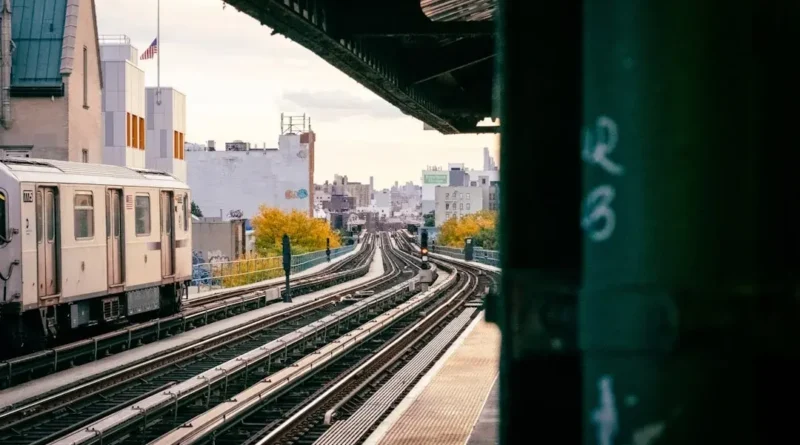
EAST BRONX, NY — A sweeping initiative to transform the infrastructure of the East and Northwest Bronx has officially cleared its final planning phases, setting the stage for a massive wave of transit-anchored neighborhood development. The comprehensive urban plan is designed to prepare the borough for four brand-new Metro-North commuter rail stations scheduled to open next year in Parkchester/Van Nest, Morris Park, Hunts Point, and Co-op City.
The newly approved blueprint pairs major mass-transit upgrades with localized neighborhood improvements. Over the next few years, the development plan will scaffold the construction of roughly 7,000 new units of affordable housing and is projected to create over 10,000 permanent local jobs.
City planning officials and local community groups emphasize that the goal is equitable development. Beyond adding housing, the city is allocating funding for environmental resilience projects, updated pedestrian corridors, and newly enhanced public plazas surrounding the upcoming transit hubs. By aligning housing growth directly with train access, the initiative aims to slash commute times for Bronx residents while injecting vital economic resources directly into small-business corridors.
ADVERTISEMENT
¡Secure Your Paradise Today!
Your next exclusive real estate investment.
Don’t miss the opportunity to acquire a unique property with a prime location, high profitability, and complete legal security. Watch our exclusive 28-second video on the right and discover the project that will change your future.
- Premium Location: Exclusive areas with high appreciation potential.
- Design and Comfort: Modern spaces ready to enjoy or rent out.
- Total Guarantee: Expert guidance at every step of your purchase.
Beyond the transit story, 2026 is bringing a diverse set of neighborhood-scale investments that blend culture, housing, and small-business growth. The Bronx Museum of the Arts is proceeding with a $33 million renovation slated to finish by 2026, a project described by city officials as a major upgrade to the borough’s cultural infrastructure and a catalyst for nearby community programs and educational initiatives. Groundbreaking occurred in 2024, and the project is positioned to shift gallery operations temporarily while south galleries are renovated, with a grand re-opening targeted for 2026. The museum’s renovation is part of a wider cultural infrastructure expansion in the Bronx that the city highlights as a driver of inclusive growth and educational access. (nyc.gov)
At the same time, ambitious mixed-use and housing initiatives are moving forward across the Bronx, reinforcing the narrative of a data-driven, urban-economic upgrade in 2026. In Kingsbridge, the Armory redevelopment—led by the NYCEDC and the Northwest Bronx Coalition—was advanced by a City Council vote in late October 2025, authorizing a plan that will deliver roughly 500 affordable homes alongside a new community hub, event space, and related facilities. The project is framed as a community-led redevelopment designed to deliver tangible local benefits, including local hiring, small-business support, and a comprehensive community benefits package valued in the hundreds of millions of dollars. The broader economic impact is projected to run in the billions, reflecting the scale of West Bronx investment and its potential to catalyze surrounding corridors. (council.nyc.gov)
Other neighborhood-scale developments in 2026 are moving through design, procurement, and construction phases with a broad aim of modernizing critical infrastructure and expanding affordable housing. The Hunts Point Produce Market, a linchpin of the Bronx’s food distribution network, is undergoing a $635 million redevelopment intended to create an all-electric, more efficient distribution center and to preserve and grow local jobs. Construction timing, financing details, and workforce commitments have been reported in late 2025, with state and city partners supporting a multi-source funding package and anticipated construction activity resuming as the administration transition progresses. The project illustrates how Bronx neighborhood development 2026 is intertwining infrastructure modernization with environmental goals and community health outcomes. (normanbobrow.com)
ADVERTISEMENT

In Morris Park and surrounding neighborhoods, 2026 is also shaping up to be a year of housing and social-service investments that emphasize equitable access to housing and health resources. A notable example is the “Just Home” project at NYC Health + Hospitals/Jacobi, a plan to convert a vacant hospital facility into affordable homes, including a substantial share of units reserved for previously incarcerated residents, as part of a broader effort to address housing and health needs in the Bronx. This initiative, among others highlighted by local media and community groups in early 2026, reflects a trend within Bronx neighborhood development 2026 toward integrating housing with social services to support long-term stability for residents. (6sqft.com)
The 2026 landscape also includes planned enhancements to cultural and educational facilities that are central to the Bronx’s identity and competitiveness. The Grand Concourse corridor is targeted for safety and mobility upgrades as part of a larger Grand Concourse safety and streetscape program, while new or upgraded public spaces and libraries aspire to elevate access to knowledge and community programming. The Heartwood redevelopment around the Grand Concourse library, for instance, is envisioned as a mixed-use tower atop the library, expanding educational access and affordable housing in a transit-rich setting. These efforts illustrate how Bronx neighborhood development 2026 is weaving together housing, culture, and education to create a more resilient, mixed-income urban fabric. (6sqft.com)
Opening In the first months of 2026, the Bronx is experiencing a confluence of housing, transit, and cultural investments that public officials and developers are framing as a data-driven approach to urban growth. The Bronx Metro-North Station Area Plan, approved in 2024, remains a backbone of this strategy, outlining a path toward four new Metro-North stations and thousands of new homes and jobs across the Parkchester/Van Nest, Morris Park, Hunts Point, and Co-op City corridors. By connecting these neighborhoods to regional rail and implementing strategic streetscape upgrades, the plan aims to reduce travel times, improve air quality, and stimulate private investment in under-invested corridors. The city emphasizes that the plan’s investments—ranging from affordable housing to park improvements and school upgrades—are designed to deliver measurable quality-of-life gains for residents and workers alike. (nyc.gov)
As 2026 unfolds, the Bronx is also witnessing a broader expansion of cultural and civic infrastructure. The Bronx Museum’s renovation represents a landmark public investment in the borough’s cultural ecosystem, with city agencies and philanthropic partners collaborating to modernize facilities while preserving the museum’s role as a free-entry, publicly accessible cultural anchor. The project’s progress—groundbreakings in 2024 and a projected 2026 reopening—signals the city’s commitment to sustaining cultural institutions as engines of neighborhood vitality and education. In parallel, the Kingsbridge Armory redevelopment is moving toward completion on an ambitious multi-year timeline, with the Council-approved plan delivering hundreds of affordable homes and a new community hub, reinforcing the idea that equitable development can coexist with major economic transformation. (nyc.gov)
Section 1: What Happened
Bronx Metro-North Station Area Plan: A Transit-Centered Milestone
Approval and scope
In August 2024, the City Council approved the Bronx Metro-North Station Area Plan, the first Department of City Planning-led neighborhood plan under Mayor Adams’ administration. The plan is designed to accompany four new Metro-North stations slated for 2027—Parkchester/Van Nest, Morris Park, Hunts Point, and Co-op City—on a corridor that is expected to become a backbone for regional commuting, job access, and residential growth. The plan envisions approximately 7,000 new homes, including 1,700 permanently income-restricted units, and about 10,000 new jobs, alongside substantial investments in public spaces and infrastructure. This multi-year effort aims to align zoning, transit, and capital investments to create connected, walkable districts around the new stations. (nyc.gov)
Key components and investments
The plan contemplates a suite of neighborhood amenities: enhanced pedestrian safety, new public plazas, improved lighting, transit-oriented development around station hubs, and targeted upgrades to parks, schools, and drainage. In addition to housing and jobs, the plan allocates hundreds of millions of dollars for local infrastructure improvements and community facilities, reinforcing a data-driven approach to urban renewal in the Bronx. The investments are intended to uplift corridors and create a more resilient urban fabric by integrating land-use changes with transit enhancements and public realm improvements. (nyc.gov)
Timeline and next steps
The plan’s implementation depends on coordinating city agencies, MTA projects, and community input over multiple years. The four new stations are expected to open in 2027, with ongoing capital investments and phased public realm enhancements continuing beyond that date. As with other major transit-oriented initiatives, success will hinge on timely design approvals, funding streams, and robust community oversight to ensure that the housing and job growth is equitably shared among residents. (nyc.gov)
Kingsbridge Armory Redevelopment: A West Bronx Transformation
Council approval and scope
In late October 2025, the New York City Council voted to approve a transformational, community-centered redevelopment of the Kingsbridge Armory. The plan, led by the NYCEDC in partnership with 8th Regiment Partners, foresees a mixed-use complex that includes approximately 500 affordable homes, a large-scale event venue, a community hub, sports facilities, and a public plaza. The project builds on a long history of community advocacy and a concerted effort to ensure job creation, local hiring, and meaningful community benefits. The Kingsbridge Armory redevelopment is widely cited as a landmark example of equitable development for the Bronx. (council.nyc.gov)
Economic impact and public investments
Proponents highlight a robust package of public investments and a projected multi-billion-dollar economic impact. The council release and related reporting describe a public investment framework amounting to hundreds of millions of dollars from city and state sources, complemented by private funding and a comprehensive Community Benefits Agreement designed to anchor local hiring, workforce development, small-business support, and cultural programming. The plan’s economic impact is framed as a catalyst for West Bronx growth, with a blueprint for long-term neighborhood wealth-building and community stewardship. (council.nyc.gov)
Timeline and oversight
The Kingsbridge Armory project is expected to unfold over several years, with ongoing community engagement and oversight components designed to keep local residents involved in decision-making as the development proceeds. The post-approval period involves detailed design reviews, contractor selection, and phased construction, all coordinated to deliver the envisioned amenities while protecting rent levels, local business vitality, and cultural programming. The Armory’s multi-year horizon underscores the broader arc of Bronx neighborhood development 2026, where large-scale projects are paired with neighborhood-level benefits. (council.nyc.gov)
Cultural and Housing Infrastructure: Museums, Libraries, and Housing
Bronx Museum renovation: A landmark cultural investment
City and agency leaders publicly framed the Bronx Museum renovation as a flagship cultural project in the Bronx, underscoring the role of museums and cultural institutions in catalyzing neighborhood vitality. Ground-breaking occurred in 2024, the project’s scope includes a $33 million investment, and officials have projected a 2026 reopening following south gallery renovations. The project’s aims extend beyond the gallery spaces to educational programming, community access, and the museum’s role as a public anchor in the Grand Concourse corridor. (nyc.gov)
The Heartwood concept and library-driven development
In parallel with museum upgrades, 2026 is seeing library-centered, mixed-use developments near the Grand Concourse and surrounding neighborhoods. Reports and industry coverage highlight plans to elevate public library facilities with new mixed-use components, including affordable housing above or adjacent to the library core. The Heartwood concept—an example cited in 6sqft’s Bronx coverage—envisions a mixed-use tower atop a library facility, expanding both educational access and housing opportunities within a transit-rich corridor. This approach aligns with a broader strategy to knit libraries, housing, and public space into a unified urban system. (6sqft.com)
Other housing and cultural investments across the Bronx
In Morris Park and adjacent neighborhoods, additional projects are advancing, including affordable and supportive housing tied to hospital sites and community facilities. The Morris Park hospital project remains under development as of early 2026, with plans to deliver dozens of affordable units and supportive housing, tied to health-service expansions and workforce development initiatives. The Heartwood library and similar initiatives around the Grand Concourse also reflect a pattern of culturally anchored, transit-oriented development that aims to anchor stable neighborhoods amid broader growth. (6sqft.com)